Stop Throwing Away Flavor!
Stop Throwing Away Flavor! Creative Ways to Use Kitchen Scraps
Stop! Before you toss those vegetable scraps, chicken bones, or leftover pan drippings, let's talk about what you're throwing away.
Some of the best flavors in your kitchen might be sitting in what you consider the trash! Those onion ends, herb stems, chicken bones, and browned bits stuck to the bottom of your skillet? They're packed with possibilities. Let's talk about turning kitchen scraps into culinary gold!
Vegetable Scraps: The Beginning of a Great Stock
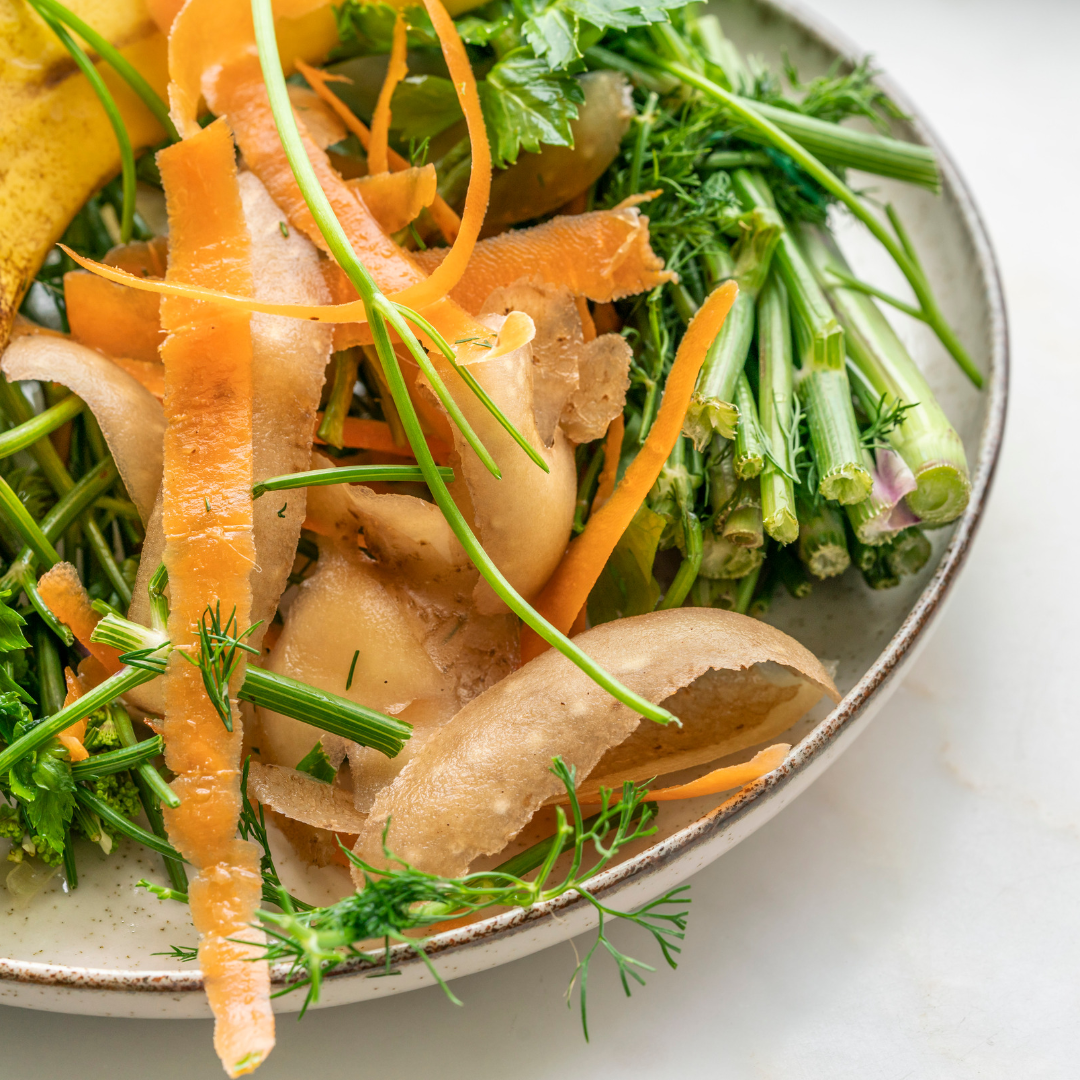
Next time you're chopping vegetables, think twice before tossing those scraps.
Onion ends, carrot peels, celery tops, mushroom stems, and leek greens can all contribute wonderful flavor to homemade vegetable stock.
Here's what I recommend:
Keep a freezer-safe container or bag for clean vegetable scraps. Once you've collected a few handfuls, add them to a stockpot, cover with water, and gently simmer for 30–60 minutes.
Strain, cool promptly, and you've got homemade vegetable stock ready for soups, sauces, grains, and more. If you want to be really efficient, take the strained al dente vegetables and use them for fillings in pasta or on top of polenta.
Chef KDJ Tip: Not every vegetable belongs in your stockpot! Broccoli, cabbage, and Brussels sprouts can create strong, bitter flavors. Stick with mild, aromatic vegetables for a more versatile stock. Avoid moldy or spoiled scraps.
Bones: Don't Throw Away the Foundation of Flavor
Finished roasting a chicken? Don't toss that carcass!
Bones, cartilage, and leftover bits of meat are excellent starting points for homemade stock.
Chicken bones can create a rich base for soups, sauces, and risotto. Beef bones are great for hearty stocks, and fish bones can produce a delicate seafood stock.
Try this:
Place your leftover roasted chicken bones in a large pot with onion, celery, carrots, garlic, and a few peppercorns.
Cover with cold water and gently simmer for 3–4 hours, adding water as needed.
Strain, cool quickly, and refrigerate or freeze.
You'll have a flavorful homemade stock without purchasing another carton at the grocery store. Freeze the stock in silicon ice cube trays for easy to use bouillon cubes. (After you use the trays – keep them solely for this purpose!)
Chef KDJ Tip: Save your bones in the freezer until you have enough to make stock. For seafood stock, use fresh or properly frozen mild fish bones and shrimp shells, and keep the simmer much shorter: usually 20 - 40 minutes.
3. Herb Stems: Small Ingredient, BIG Flavor
We all love fresh herbs, but how often do we strip off the leaves and throw away the stems?
Stop doing that!
Parsley, cilantro, and tender basil stems contain plenty of flavor.
Here are a few ways to put them to work:
Stocks and soups: Add parsley and cilantro stems to your simmering liquids.
Pesto and sauces: Blend tender herb stems with the leaves for extra flavor.
Marinades: Finely chop cilantro stems and mix them with garlic, citrus, and olive oil.
Compound butter: Mince tender parsley stems and mix them with softened butter and seasonings.
Woody rosemary and thyme stems can also add flavor to stocks and sauces. Just remove them before serving.
Chef KDJ Tip: The stems often have a more concentrated flavor than you might expect. Learn which ones are tender enough to eat and which are better used for infusing.
4. Pan Drippings: Don't Wash Away the Good Stuff!
This might be one of my favorite kitchen lessons.
You've just seared a steak, roasted a chicken, or sautéed some pork chops. You remove the meat, and what's left in the pan?
Those browned bits stuck to the bottom are called fond, and they're loaded with flavor!
Instead of immediately washing the pan, use those delicious bits to create a quick sauce.
Here's how:
Remove your cooked meat and pour off excess fat, leaving a small amount behind.
Return the pan to medium heat.
Add a splash of chicken stock, beef stock, or wine.
Scrape up the browned bits with a wooden spoon.
Simmer briefly to concentrate the flavors.
Finish with a little butter, fresh herbs, or a squeeze of lemon.
In just a few minutes, you've created a restaurant-style pan sauce.
Chef KDJ Tip: Browned bits mean flavor. Blackened, burned bits mean bitterness. Know the difference before building your sauce!
5. Citrus Peels: A Little Zest Goes a Long Way
Before tossing those lemons, limes, or oranges, think about how much flavor is hiding in the peel.
Citrus zest can brighten everything from marinades to baked goods.
Try adding it to:
Compound butter for fish or chicken
Homemade salad dressings
Marinades and dry rubs
Sugar for baking
Olive oil-based sauces
You can even freeze freshly grated zest in small portions for future recipes.
Chef KDJ Tip: Zest your citrus before squeezing it.